
The Benefits of Child-Friendly Programming

Child-friendly coding: Discover the many advantages of introducing young learners to programming! Teaching children to code enhances problem-solving abilities, fosters creativity, and builds a solid foundation for lifelong technological literacy.
What Makes Coding Child-Friendly?
Child-friendly programming programs are designed to demystify complex computational concepts using age-appropriate tools, visual block coding, and interactive platforms. Games, puzzles, storytelling, and robotics turn abstract logic into engaging, relatable challenges.
Best Practices for Child-Friendly Coding
Effective approaches to children’s programming begin with simple concepts, utilize visual tools like Scratch, encourage experimentation, divide challenges into manageable steps, and ensure learning remains fun and rewarding:
- Start with visual fundamentals: Use visual tools like Scratch to engage young learners without syntax frustration.
- Encourage experimentation: Teach children that errors are learning opportunities; debugging builds resilience.
- Promote hands-on practice: Let kids apply concepts directly to their own games and animations.
- Keep it fun and collaborative: Maintain high motivation through peer interaction and creative freedom.
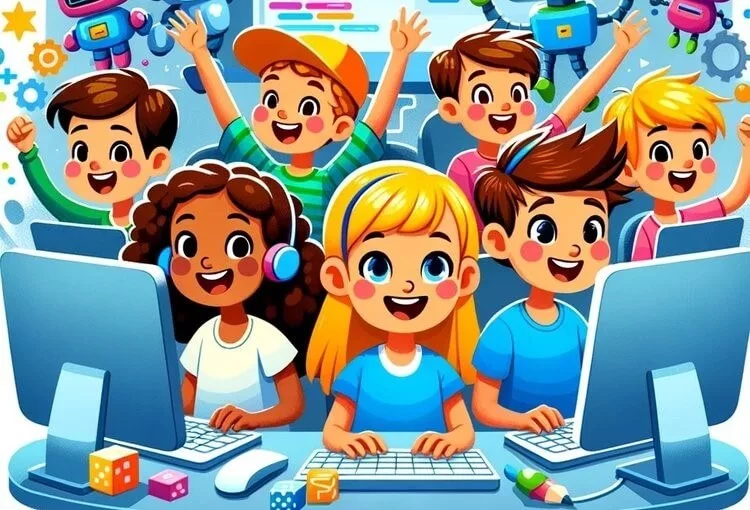
The Importance of Early Exposure to Coding
Introducing children to coding early helps them cultivate critical thinking, analytical reasoning, and creative expression. Coding is no longer just a specialized skill for software engineers—it is a fundamental literacy for navigating our digital world.
Benefits Beyond Technology
Learning to code prepares children for far more than technical careers:
- Resilience and perseverance: When code doesn’t work on the first try, children learn to test, iterate, and solve problems methodically.
- Communication and teamwork: Working in pairs or small groups teaches children how to articulate ideas and collaborate effectively.
- Creativity and agency: Children transition from being passive consumers of technology to active digital creators.
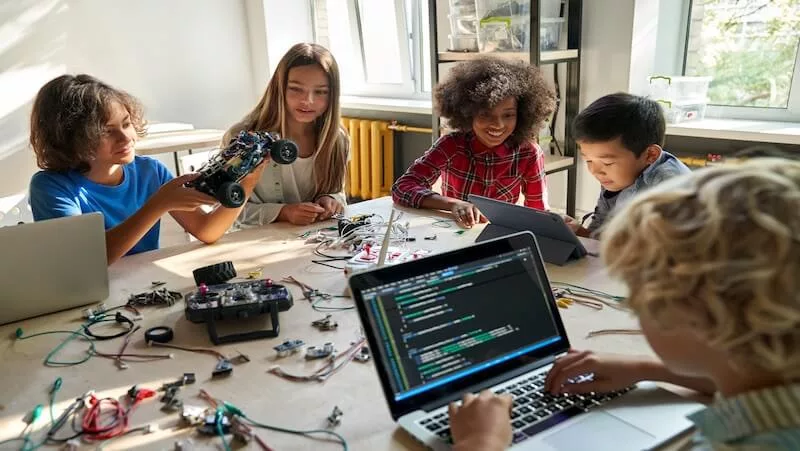
Popular Tools and Platforms for Children
A wide range of platforms cater to different age groups and learning styles:
- Scratch and Blockly: Ideal for visual block-based programming (ages 6–11).
- Robotics (mBot / Lego Education): Connects code with tangible physical hardware and sensors.
- Python & Web Development: Empowers older students (ages 12+) to build real-world software, AI scripts, and web applications.
At Train the Future, we combine world-class curricula with passionate instructors across our Berlin teaching locations. Book a free trial lesson to start your child’s coding adventure today!
Curious to find out more?
Explore our coding courses for children and teenagers in Berlin — starting with a free trial lesson.
More posts

14 March 2026
Inspiration for Girls in Tech: A Spotlight on Our Founder
As part of Girls’Day, Train the Future founder was featured in an interview discussing why inspiring girls early in tech, coding, and innovation is vital for building future leaders.
English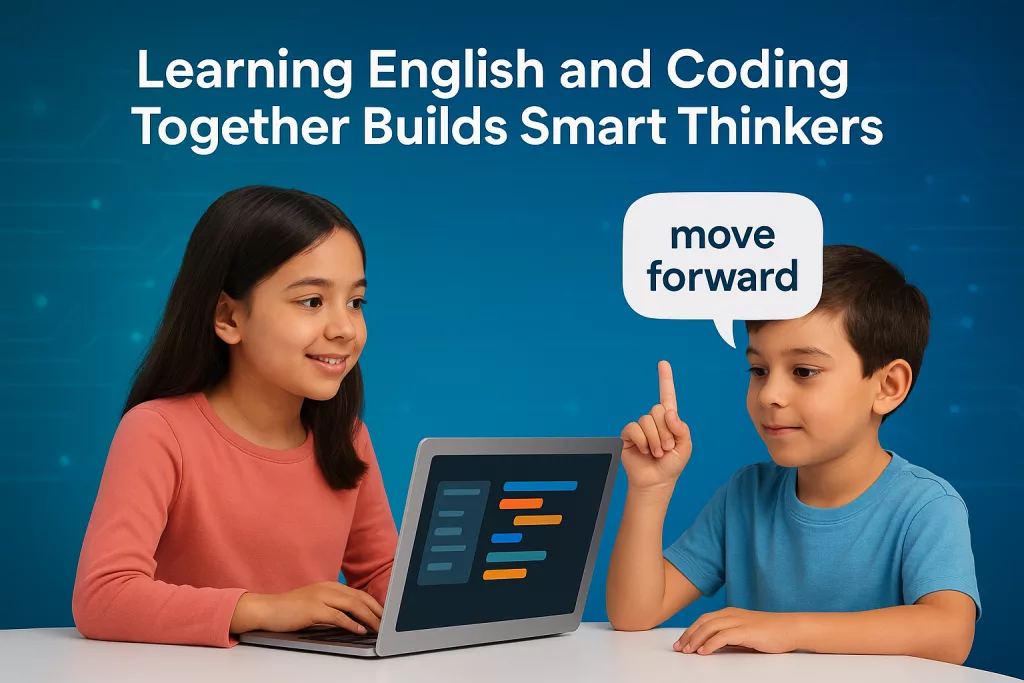
20 November 2025
Learning English and Coding Together: Building Future-Ready Skills for Children
In today’s fast changing world, children need more than traditional lessons. They need future ready skills. Studies show that over 80% of global technology platforms operate in English¹, while the demand for coding skills continues to grow rapidly. By 2027, the global coding education market is expected to reach USD 16 billion². Learning English and…
English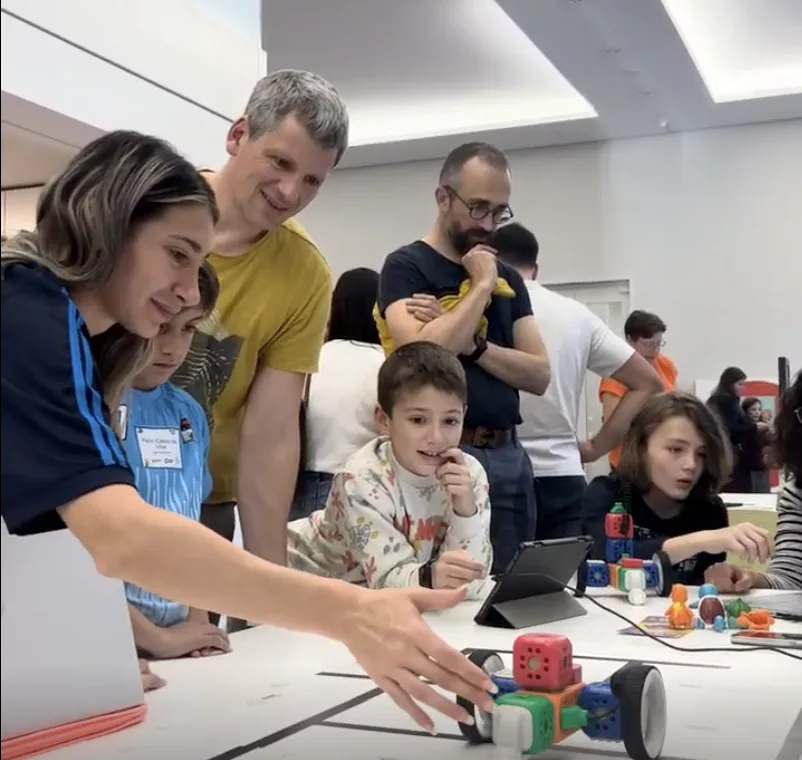
29 October 2025
Grandma's Birthday Cake: Train the Future at EU CodeWeek 2025
At Train the Future, we believe that learning technology should be exciting, creative, and inspiring. This year we proudly took part in EU CodeWeek at the Humboldt Forum in Berlin.
English