Choosing the Right Coding Program for Kids: A Parent's Guide
Choosing the right programming course for your child can feel daunting with so many options available. A well-designed coding program does more than teach syntax—it nurtures logical thinking, problem-solving skills, and creative confidence.
Here is a practical guide to help parents navigate the choices and find the perfect fit for their child.
1. Consider Your Child’s Age and Experience Level
Children learn best when the material matches their developmental stage:
- Ages 5–7 (Early Learners): Visual, block-based tools like ScratchJr allow young children to grasp sequencing, loops, and basic logic without needing advanced reading or typing skills.
- Ages 8–11 (Elementary & Middle): Platforms like Scratch, Roblox Studio (Lua), or introductory robotics provide hands-on creation and immediate visual feedback.
- Ages 12–18 (Teens): Real-world, text-based programming languages such as Python, HTML/CSS, and JavaScript empower teens to develop sophisticated applications, games, and web projects.
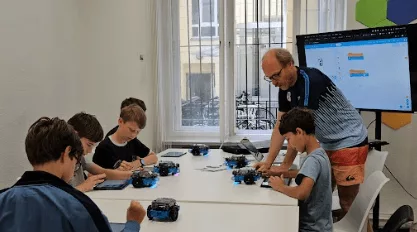
2. Look for In-Person Classes with Small Group Sizes
While self-paced apps can introduce basic concepts, genuine understanding flourishes with live instruction. In-person classes in small groups provide:
- Direct mentorship: Instructors identify where a child is struggling and offer tailored guidance.
- Peer collaboration: Children learn teamwork, share ideas, and inspire one another.
- Accountability and focus: A structured classroom environment keeps learners engaged and curious.
3. Evaluate the Curriculum Quality and Progression
A great coding program offers a structured, multi-year learning pathway rather than disconnected one-off lessons. Look for programs that:
- Cover core computational principles: Logic, algorithms, variables, conditionals, loops, and debugging.
- Emphasize project-based learning: Children should build real, tangible projects—such as games, animations, or websites—rather than just completing abstract exercises.
- Offer clear advancement: As students grow, the curriculum should advance from block coding to professional languages like Python.

4. Prioritize Fun and Creativity
Coding should never feel like a chore. The most effective programs encourage exploration, creative problem-solving, and personal expression. When children are motivated by building projects they care about, learning becomes second nature.
Start with a Free Trial Lesson
The easiest way to determine whether a coding school is right for your child is through a hands-on trial session. At Train the Future, we offer free trial lessons at our Berlin campuses so parents and children can experience our interactive teaching style firsthand.
Empower your child to become a confident creator in the digital world!
Curious to find out more?
Explore our coding courses for children and teenagers in Berlin — starting with a free trial lesson.
More posts
14 March 2026
Inspiration for Girls in Tech: A Spotlight on Our Founder
As part of Girls’Day, Train the Future founder was featured in an interview discussing why inspiring girls early in tech, coding, and innovation is vital for building future leaders.
English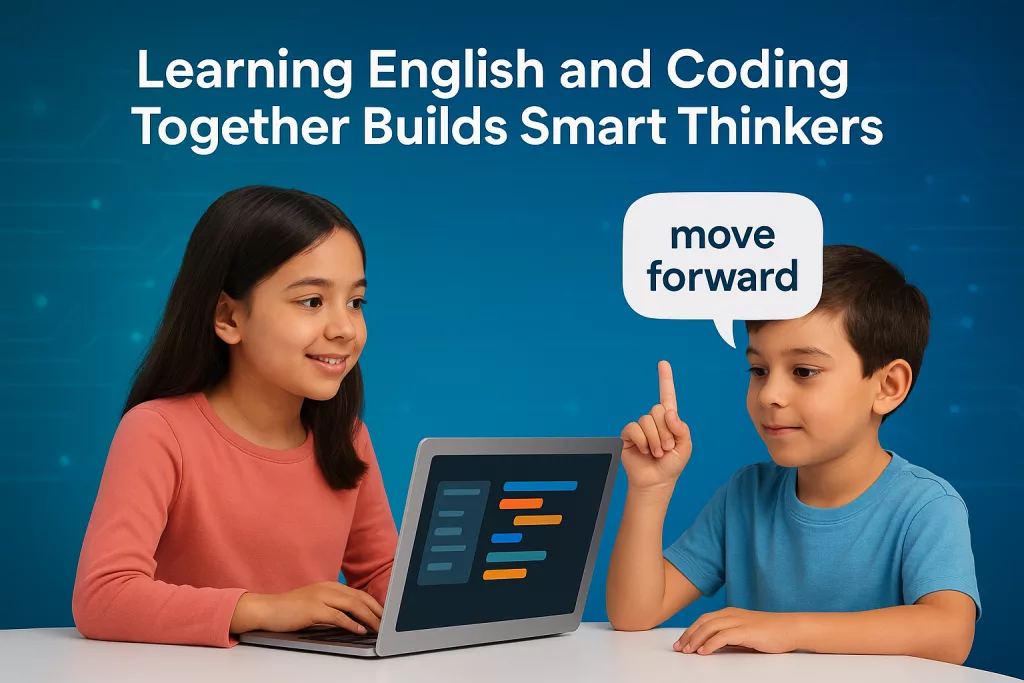
20 November 2025
Learning English and Coding Together: Building Future-Ready Skills for Children
In today’s fast changing world, children need more than traditional lessons. They need future ready skills. Studies show that over 80% of global technology platforms operate in English¹, while the demand for coding skills continues to grow rapidly. By 2027, the global coding education market is expected to reach USD 16 billion². Learning English and…
English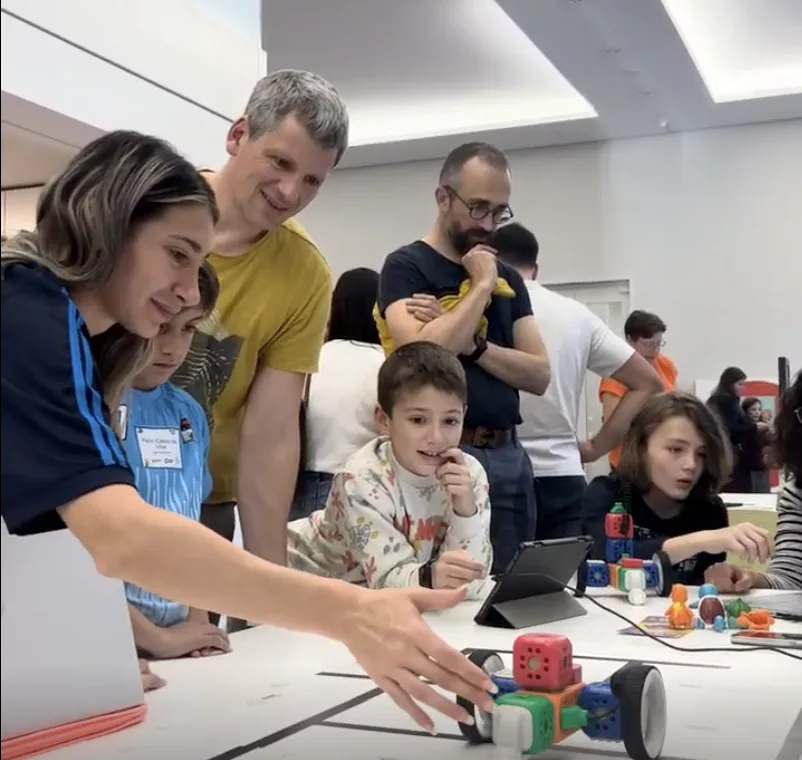
29 October 2025
Grandma's Birthday Cake: Train the Future at EU CodeWeek 2025
At Train the Future, we believe that learning technology should be exciting, creative, and inspiring. This year we proudly took part in EU CodeWeek at the Humboldt Forum in Berlin.
English